Looking forward, the University of York is implementing web‑based access via OpenOnDemand and secure data transfer through Globus. That will help more students and researchers new to HPC to try their ideas and develop their research projects, and open doors to new collaboration models.
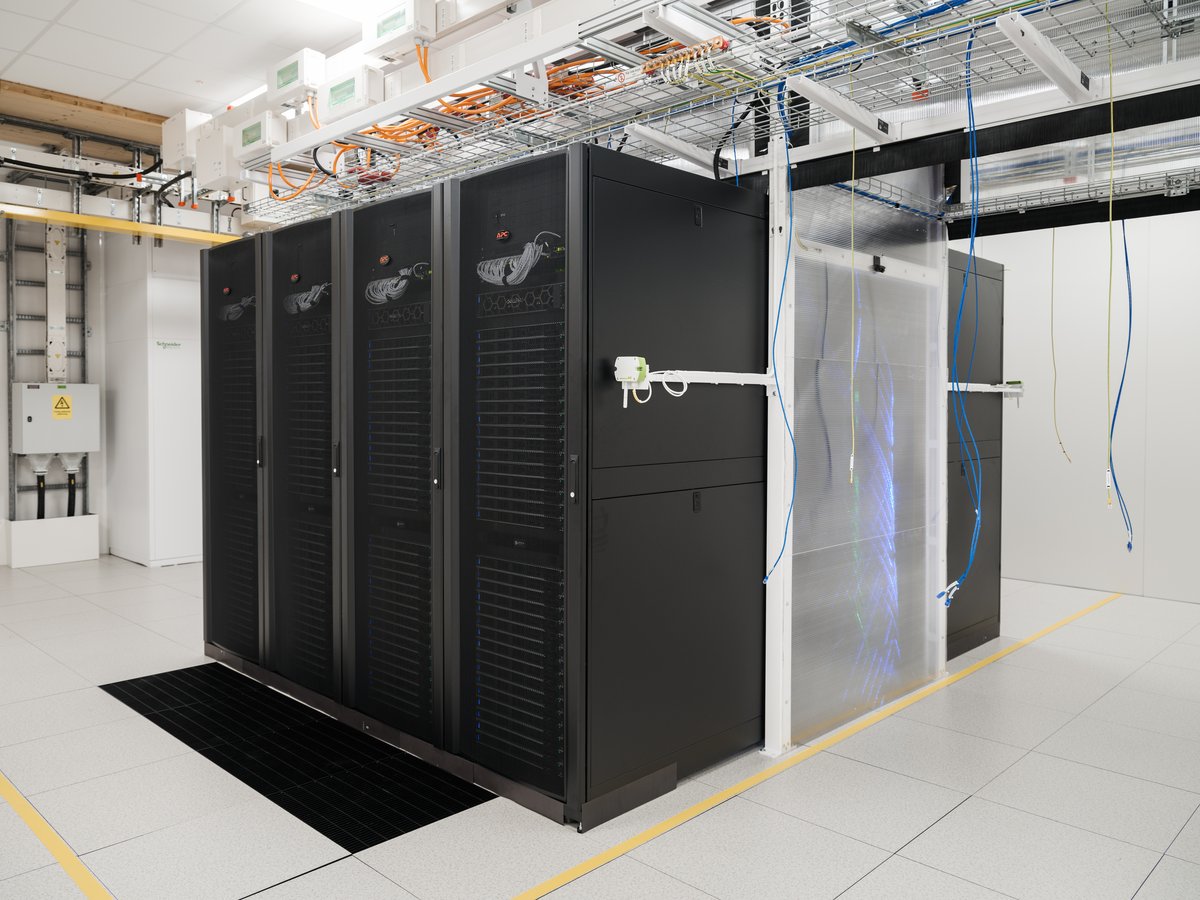
Viking 2: University of York x EcoDataCenter
The Viking 2 cluster hosted in Falun powers cutting-edge research while reducing emissions by 93%.
Clustering research capacity
Establishing Viking 2
The 2023 hardware refresh cycle brought tough decisions. Soaring energy prices in the UK threatened to limit the research capacity at University of York, a leading research institution.
Conventional UK data centers did not offer sustainability like Nordic counterparts. EcoDataCenter’s core idea of sustainable digital infrastructure aligned with the University of York's approach.
EcoDataCenter’s supply of fully renewable energy was attractive, as well as the customer-focused monthly climate reporting. Building data centers in wood to eliminate a majority of the life cycle emissions was equally appealing.
“EcoDataCenter’s infrastructure offered a way forward to not only preserve, but expand, the capacity for high-quality research with real-world impact.” - Dr. Emma Barnes, Head of Research and Faculty IT at University of York
A catalyst for attracting talent and resources
Impactful infrastructure
Choosing EcoDataCenter ensured that scientists could focus on their research.
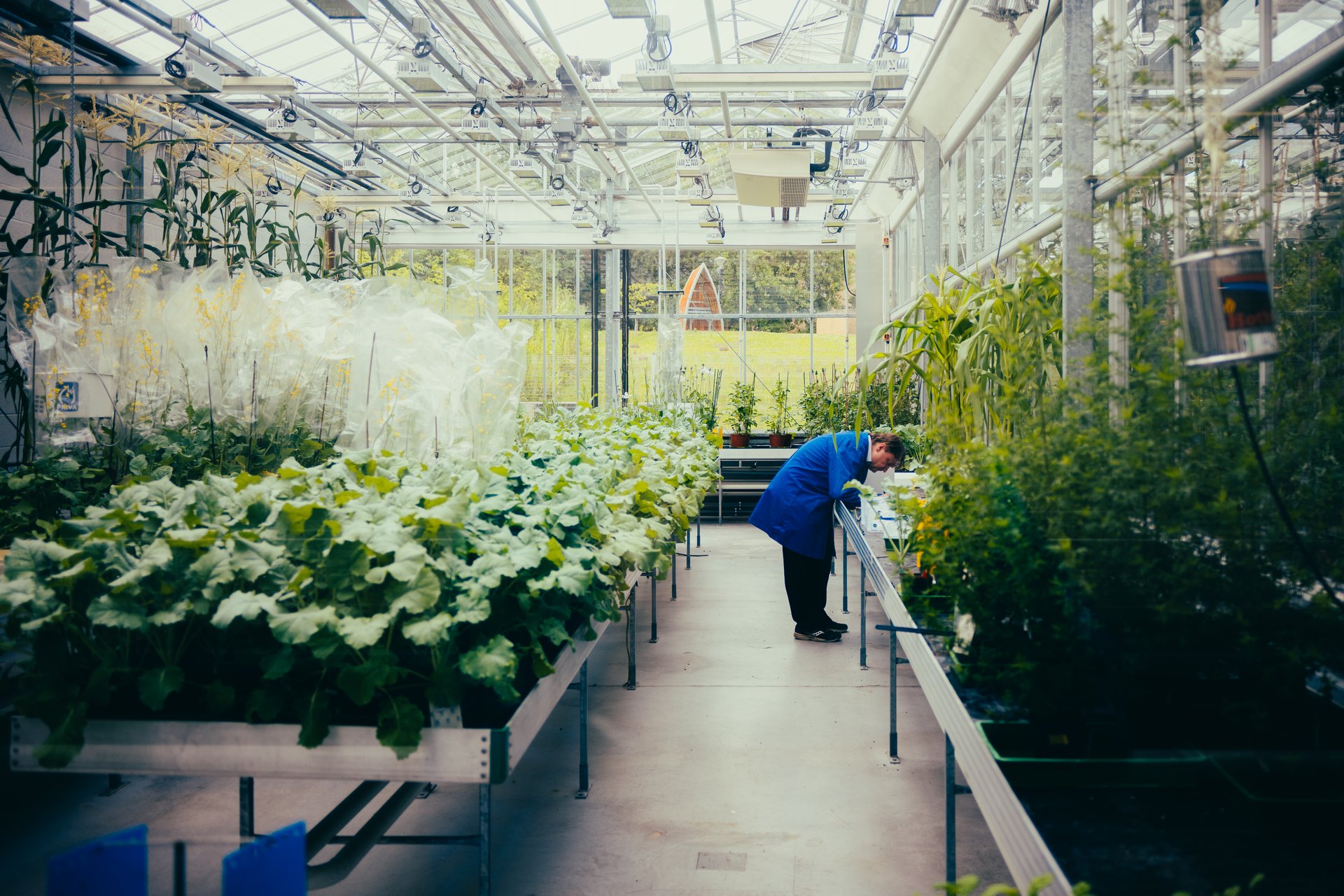
The diverse user base has already produced 74 research outputs within the first 18 months of operation, including:
- Development of instruments and control software within the Wolfson Atmospheric Chemistry Laboratory and the Department of Chemistry
- Various elements of a satellite payload in the area of quantum communication
- Development of CellPhe, a software tool for analysing and identifying cells.
Already, projects using the cluster have attracted £27.5 million in research funding, with the cluster explicitly named in awards worth £10.5 million.
Climate‑friendly compute
Cutting costs and footprint
Choosing EcoDataCenter ahead of UK-based data centers made a profound difference for the University of York.
With the cost savings from powering Viking 2 (comparing electricity prices in the UK with the low prices and operational costs in Sweden), the university could invest in new software to support data sharing for experiments and build better pipelines for managing research data, which can be automated to open up both new research opportunities and commercial uses.
For the University of York, an on-campus location of Viking 2 had emitted 192 tons of CO₂e per year. By deploying their infrastructure with EcoDataCenter, the number is reduced to 14 tons – a decrease of around 93 percent. The university avoids more than 100 kg CO₂e annually through EcoDataCenter’s heat reuse within the local energy system.

Sustainable research IT is a key tenet of the University of York. By moving to EcoDataCenter, we take advantage of the site's impressive environmental credentials to significantly reduce the environmental impact of our computational research - a positive change with great benefits for the local academic community.

The Viking 2 service supports many disciplines and fields
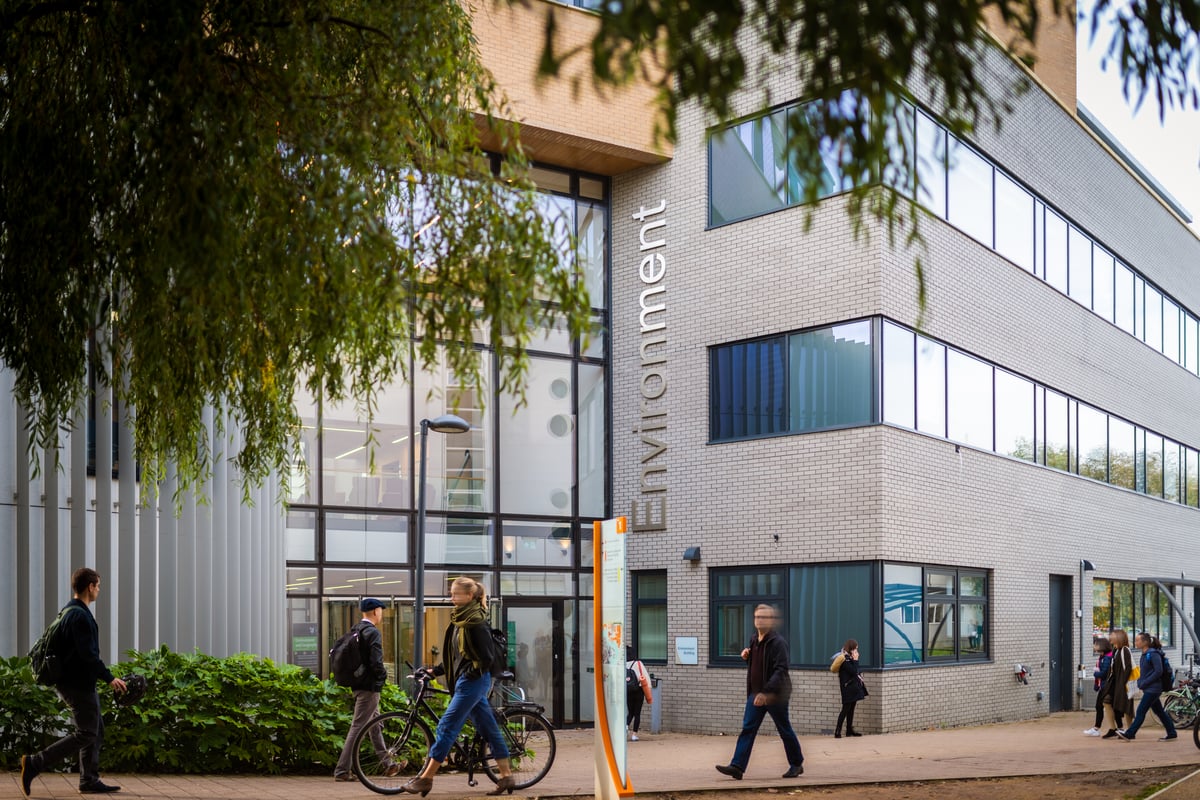
- Over 1,500 registered users from 20 schools and departments, ranging from chemistry, economics and psychology to languages, medicine and climate.
- 56 percent of users are undergraduate or teach postgraduate students, making the Viking 2 a key support for new generations of scientists and discoveries.
- The University of York estimates that around 400 separate projects have been directly using the Viking 2 facility.
Shape your learning curve